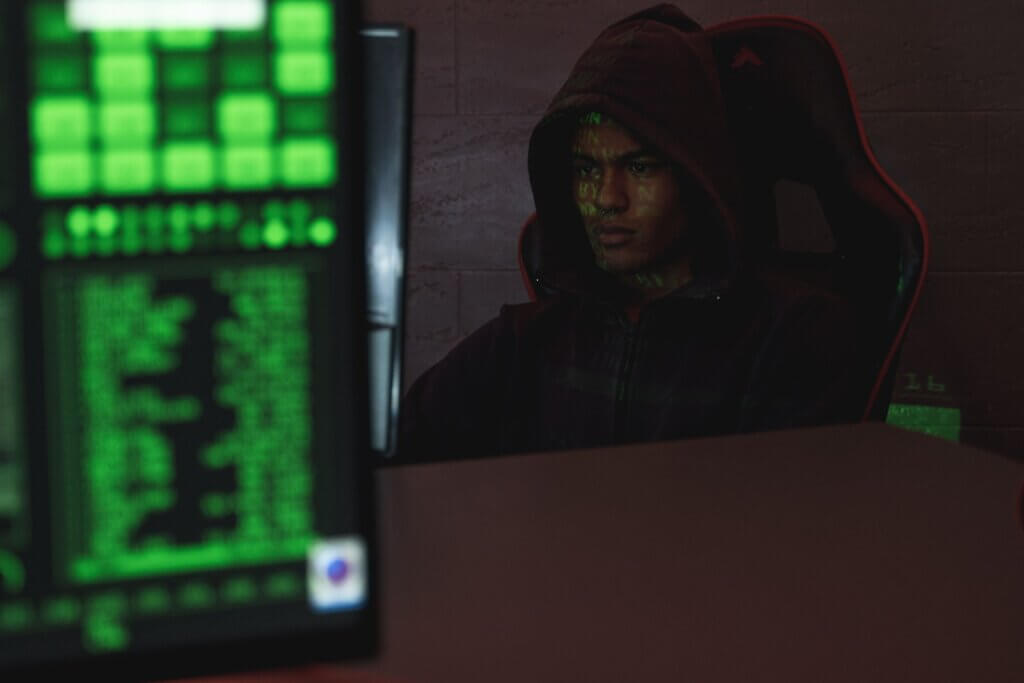
Every day, a hacker is scanning for an easy target, and understanding what catches their attention could be the key to keeping your business secure. Cybercriminals are constantly evolving their tactics, targeting businesses and individuals through email scams, weak passwords, outdated software, and other security vulnerabilities. By learning how a hacker operates, you can take proactive steps to reduce risk and protect your sensitive information.
Understanding the Hacker Mindset
A skilled hacker is always looking for opportunities. Rather than targeting highly secured systems directly, most hackers search for the easiest point of entry. They often rely on human error because it’s typically less difficult to exploit than advanced security systems.
Hackers commonly ask themselves questions such as:
- Is someone likely to click on a suspicious link?
- Are passwords weak or reused across multiple accounts?
- Is software outdated and vulnerable to attack?
- Are employees trained to recognize cyber threats?
By identifying these weaknesses, a hacker can gain access to valuable data, financial information, or business systems. Understanding this approach can help organizations and individuals recognize where they may be vulnerable.
Common Tactics Used by Hackers
A hacker doesn’t always use sophisticated technology to gain access. In many cases, simple tactics are remarkably effective.
Phishing Attacks
Phishing emails remain one of the most common methods hackers use. These messages are designed to look legitimate and often create a sense of urgency, encouraging recipients to click a malicious link or provide confidential information.
Password Attacks
Weak passwords are a hacker’s best friend. Many cybercriminals use automated tools to test common passwords or credentials exposed in previous data breaches. If a password is simple or reused, accounts can quickly become compromised.
Exploiting Outdated Software
Hackers actively search for systems that haven’t been updated. Software vendors regularly release security patches to fix vulnerabilities, but delayed updates create opportunities for attackers to gain unauthorized access.
Social Engineering
Social engineering involves manipulating people into revealing sensitive information. A hacker may impersonate a trusted vendor, coworker, or service provider to gain access to systems or data.
How to Protect Yourself from a Hacker
The good news is that many cyberattacks can be prevented through simple cybersecurity best practices.
Use Strong Passwords
Create unique passwords that combine uppercase and lowercase letters, numbers, and special characters. Consider using a password manager to generate and securely store credentials.
Enable Multi-Factor Authentication
Multi-factor authentication adds an extra layer of security by requiring a second form of verification. Even if a hacker obtains your password, they are less likely to gain access to your account.
Keep Software Updated
Regular updates help close known security gaps. Make sure operating systems, applications, printers, network devices, and security tools are always running the latest versions.
Train Employees
Cybersecurity awareness training helps employees recognize phishing attempts, suspicious links, and other common threats. Since people are often the first line of defense, education is essential.
Back Up Data Regularly
A hacker may attempt to encrypt files through ransomware attacks. Maintaining secure backups ensures you can recover important information without paying a ransom.
Monitor Your Systems
Proactive monitoring can help identify unusual activity before it becomes a serious problem. Advanced cybersecurity solutions can detect threats in real time and respond quickly to potential incidents.
Why Cybersecurity is More Important Than Ever
Every business, regardless of size, is a potential target for a hacker. Cybercriminals no longer focus solely on large enterprises. Small and medium-sized businesses often become targets because they may have fewer security resources.
Investing in cybersecurity is no longer optional. Strong security measures help protect customer data, maintain business continuity, preserve company reputation, and reduce the financial impact of cyber incidents. The goal is not simply to react to attacks but to prevent them whenever possible.
How Stratix Systems Can Help
Protecting your organization against the modern hacker requires a proactive approach and the right technology partner. Stratix Systems offers comprehensive cybersecurity solutions designed to help businesses strengthen security, reduce vulnerabilities, and improve overall protection.
From managed IT services and network security to cybersecurity assessments, employee training, and ongoing monitoring, we help organizations stay ahead of evolving threats. Our team works closely with businesses to identify risks, implement security best practices, and develop customized strategies that support long-term success.
Whether you’re looking to enhance your current security posture or build a stronger cybersecurity framework from the ground up, Stratix Systems provides the expertise and solutions needed to help protect your business in today’s digital landscape. Learn more today at Cybersecurity – Stratix Systems | Managed IT and Technology Systems.
About Stratix Systems
Stratix Systems is one of the region’s leading technology solutions partners – Managed IT Services, Cybersecurity, Imaging and Document Management. With a history that spans over 50 years. With more than 150 IT professionals, and offices in Wyomissing, Bethlehem, King of Prussia and York (Pennsylvania), as well as Manasquan, New Jersey and Newark, Delaware- it’s no wonder why Stratix Systems is the partner of choice for over 8,000 client organizations throughout Pennsylvania, New Jersey and Delaware.