Think of your business data as a goldmine: when it’s organized and accessible, it can uncover opportunities, improve efficiency, and drive smarter decisions. Without a proper strategy for organizing business data and analytics, valuable insights can be missed, productivity can suffer, and decision-making becomes more difficult. By taking a structured approach to data management, businesses can unlock deeper insights, improve operational efficiency, and gain a competitive edge.
Why Organizing Business Data Matters
Every day, businesses generate and collect massive amounts of information from customer interactions, sales transactions, marketing campaigns, financial records, and operational processes. When this data is fragmented or poorly managed, teams spend valuable time searching for information instead of using it.
Organized business data creates a single source of truth that helps employees access accurate information quickly. It also improves reporting accuracy, enhances collaboration between departments, and enables leaders to make informed decisions based on real-time analytics rather than assumptions.
Most importantly, a well-organized data environment forms the foundation for advanced analytics, business intelligence, and future growth initiatives.
Start with a Centralized Data Strategy
The first step in organizing business data and analytics is identifying where your information currently resides. Many organizations use multiple platforms for CRM, accounting, marketing automation, ERP systems, and document management.
Conduct a data audit to determine:
- What data you collect
- Where data is stored
- Who has access to it
- How often it is updated
- Whether duplicate information exists
Once you understand your data landscape, work toward centralizing information into connected systems or integrated platforms. Centralized data reduces silos and ensures all teams are working from the same information.
Establish Data Governance Standards
Data governance is essential for maintaining clean, accurate, and secure information. Without clear standards, databases can quickly become cluttered with duplicate records, outdated information, and inconsistent formatting.
Develop policies for:
- Data entry procedures
- Naming conventions
- Record retention schedules
- User permissions
- Security and compliance requirements
Regular data cleansing should also become part of your routine operations. Removing duplicate records and correcting inaccuracies will improve the quality of your analytics and reporting capabilities.
Leverage Business Intelligence Tools
Simply storing data is not enough. Organizations need tools that transform raw information into actionable insights.
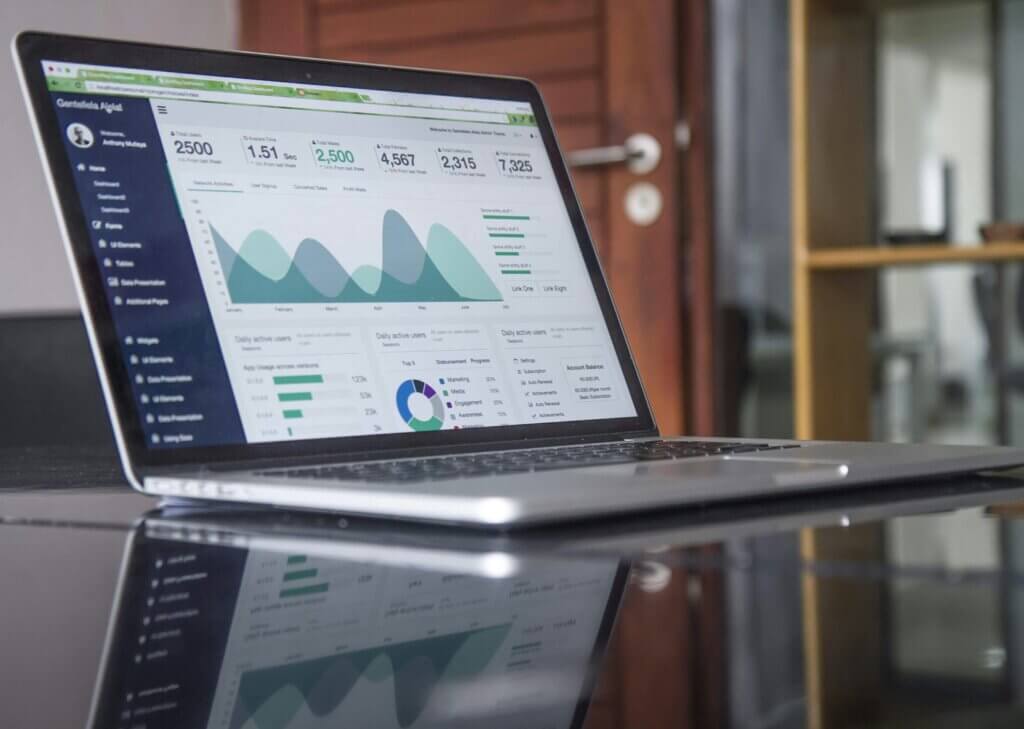
Business intelligence (BI) platforms can help visualize data through interactive dashboards, reports, and real-time KPIs. These tools allow leaders to monitor performance, identify trends, and uncover opportunities that might otherwise go unnoticed.
Effective analytics solutions help answer critical business questions such as:
- Which products generate the highest profit margins?
- What marketing campaigns produce the best ROI?
- Where are operational bottlenecks occurring?
- Which customers are most likely to purchase again?
When your data is organized properly, analytics become significantly more valuable and easier to utilize across the organization.
Create Accessible Reporting Systems
One of the biggest obstacles to effective analytics is limited accessibility. Employees often waste time generating reports manually or waiting for information from other departments.
Automated reporting tools can streamline this process by delivering customized dashboards and scheduled reports directly to stakeholders. This ensures decision-makers always have access to the latest information when they need it.
Role-based reporting can also improve efficiency by providing users with the specific metrics most relevant to their responsibilities, while maintaining appropriate security controls.
Prioritize Data Security and Compliance
As businesses collect more information, protecting that data becomes increasingly important. Data breaches and compliance violations can damage customer trust and create significant financial risk.
Implement security measures such as:
- User authentication controls
- Data encryption
- Automated backups
- Access monitoring
- Regular security assessments
A secure data environment not only protects sensitive information but also ensures confidence in the integrity of your analytics and reporting systems.
How Stratix Systems Can Help
At Stratix Systems, we understand that managing and organizing business data can be overwhelming without the right technology and expertise. Our team helps businesses streamline data management, improve analytics capabilities, and implement solutions that transform information into actionable business intelligence.
Whether you’re looking to centralize data, deploy document management systems, integrate business applications, enhance reporting capabilities, or strengthen data security, Stratix Systems delivers customized solutions designed around your unique business goals. We work closely with organizations to create efficient, secure, and scalable data environments that empower smarter decision-making and drive growth.
By partnering with Stratix Systems, your business can gain greater visibility into operations, improve productivity, and unlock the full value of your data. Visit Document Management – Stratix Systems | Managed IT and Technology Systems to learn more.
About Stratix Systems
Stratix Systems is one of the region’s leading technology solutions partners – Managed IT Services, Cybersecurity, Imaging and Document Management. With a history that spans over 50 years. With more than 150 IT professionals, and offices in Wyomissing, Bethlehem, King of Prussia and York (Pennsylvania), as well as Manasquan, New Jersey and Newark, Delaware- it’s no wonder why Stratix Systems is the partner of choice for over 8,000 client organizations throughout Pennsylvania, New Jersey and Delaware.